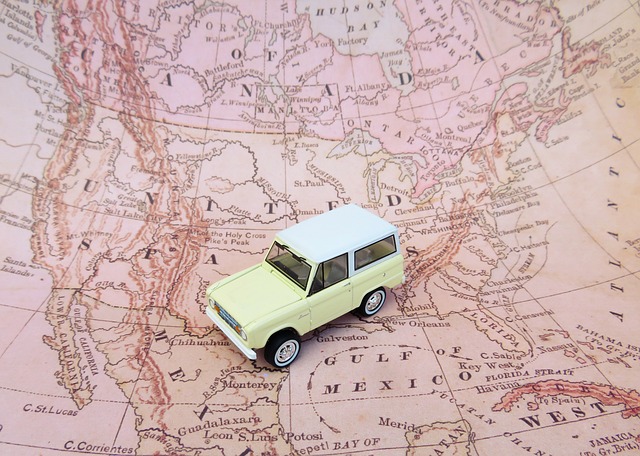

Planning a multi-adventure trip in just one week can feel like a massive challenge, especially if you want every day to deliver fun, excitement, and memories worth keeping. With only a limited number of days to work with, choosing the right destinations and activities becomes essential. A well-structured plan allows you to combine hiking, water sports, city exploration, and cultural experiences without feeling rushed or drained. The key is balancing thrill with rest so the trip stays exciting instead of exhausting. With the right approach, a one-week adventure can feel far richer than a long, unfocused vacation.
Choose Activities That Fit Together Smoothly
 A multi-adventure trip works best when activities complement each other rather than compete for time. Start by selecting two or three main experiences that define your week, such as kayaking, mountain trekking, and a cultural or food-focused outing. These create the backbone of your schedule. Once you have the core adventures, fill in lighter experiences that fit the overall flow without overwhelming you. This makes the trip feel varied while still manageable.
Another smart move is choosing a destination where your preferred activities exist within short travel distances. Places with mountains, lakes, or vibrant towns close together help reduce transport time and stress. When everything is conveniently located, you enjoy more adventure and spend less time stuck in transit. This simple planning trick gives your schedule breathing room, helping each day feel exciting rather than packed to the brim.
Build a Realistic Schedule
Creating a balanced itinerary is crucial for a one-week multi-adventure plan. Start by identifying the most physically demanding activities and scheduling them for the first half of the week while your energy is high. Save relaxed adventures like sightseeing or light nature walks for the final days to give your body time to cool down. This prevents burnout and helps maintain excitement throughout the trip. Equally important is leaving buffer time between activities. Even short adventures can take longer than expected due to weather changes, transportation delays, or simply wanting extra time to enjoy yourself. Adding flexible breaks allows each day to feel smoother and avoids unnecessary stress. By pacing yourself properly, you maximize enjoyment and reduce the chance of feeling overwhelmed.
Pack Smart and Stay Prepared

Packing efficiently makes a huge difference in how smoothly your adventure trip unfolds. Choose versatile clothing suitable for both outdoor and casual settings, and prioritize gear that fits multiple activities. For example, moisture-wicking outfits, sturdy shoes, and compact layers work for hiking, exploring towns, and spontaneous outings. Keeping your luggage light helps you stay mobile, especially if you’re moving between different towns or adventure spots. Preparation also includes staying informed about weather forecasts, local rules, and safety guidelines for the activities you plan to enjoy. Carry essentials like a portable charger, a reusable water bottle, and a small first-aid kit to keep yourself comfortable and prepared. These small items save time, reduce frustration, and support a smoother adventure experience throughout the week.
A one-week multi-adventure trip becomes far more enjoyable when you choose complementary activities, build a realistic schedule, and pack strategically. By focusing on smooth transitions, balanced pacing, and essential preparation, you create a trip that feels exciting without being stressful. With the right approach, each day becomes a fresh experience, blending energy, exploration, and relaxation …

 When you think of budget accommodation in Southeast Asia, hostels and homestays often come to mind. They promise affordability and a chance to connect with fellow travelers. But the reality can be quite different. Hostels vary widely in quality. Some are trendy, with clean facilities and friendly atmospheres. Others might leave you wishing for a little more privacy or cleanliness. Always check reviews before booking; they can save you from an unpleasant surprise.
 Language barriers can be quite a challenge but dealing it is not that difficult. Many Southeast Asian countries have distinct languages and dialects. English is common in tourist areas but less so in rural spots. Learning a few basic phrases can go a long way. Simple greetings or polite expressions often break the ice. Locals appreciate any effort to communicate, no matter how small. Cultural differences also play a significant role.
 If you Rent a Car, your road trips will be full of excitement. This is especially true if you start your day by visiting Kalemegdan Fortress, a mesmerizing historic landmark that offers breathtaking views of the confluence of the beautiful Sava and Danube rivers. Explore its hidden corners to uncover centuries-old stories. Next, make your way to St. Sava Temple, marvel at its majestic architecture, and step inside to admire the exotic frescoes and intricate details that adorn this sacred place. For a taste of Belgrade’s vibrant culture, head to Skadarlija Street in the bohemian quarter.